How Freedom Medical Alarms Give Seniors a New Lease on Independence
When my father-in-law moved into his own flat after my mother-in-law passed, we all worried. He was 82, stubborn, and proud. He insisted he could manage alone, but we lived 40 minutes away. Every day without a call felt like a gift and a risk all at once. That is where freedom medical alarms changed the picture for us. I have seen enough families go through this same worry to know that independence is not just about being alone - it is about being safe while you are alone.
A medical alert system that works without monthly fees, that uses GPS tracking, and that lets the family stay in the loop - that combination matters more than most people realise. For seniors in New Zealand, the geography adds another layer. Rural roads, patchy cell coverage, and long distances to the nearest hospital mean that a fall or a sudden medical event can become a serious crisis in minutes. The right pendant alarm can make the difference between a quick rescue and a long ambulance wait.
Why a standard pendant alarm is not enough anymore
The old image of a medical alarm - a basic button that only works inside the house and calls a distant call centre - has been replaced by something far more practical. Today, a freedom medical alarm unit typically comes with fall detection, two-way calling, and a waterproof device that you can wear in the shower. That last detail matters more than you might think. Bathrooms are the most dangerous room in the house for seniors. Slips happen fast, and if the alarm is not waterproof, the person is stuck on a wet floor until someone finds them.
I remember a case where a woman in her late seventies fell in her garden while watering the roses. She had worn her pendant for years but never needed it. That day, the fall detection kicked in before she even pressed the button. The device sent an alert to her daughter's mobile app, and paramedics were on the way. She was back home the same evening with nothing worse than a bruised hip. That kind of story is not rare. It is the reason families are moving away from basic systems toward something more responsive.
Family monitoring and the real meaning of safety
One of the quiet revolutions in modern medical alert systems is family monitoring. Instead of a distant call centre that does not know the person, the alert goes straight to family members. A caregiver or adult child can see the location through GPS tracking, hear what is happening via two-way calling, and decide the next step. That changes the dynamic completely. You are not trusting a stranger to assess your loved one's situation. You are hearing your mother's voice, or your father's, and you can tell if they sound confused, scared, or just a little embarrassed.

For families caring for someone with dementia, this feature is invaluable. Alzheimer's New Zealand often highlights how wandering is one of the biggest risks for people with memory loss. A standard alarm does not help if the person cannot remember to press the button. But a system with GPS tracking and automatic fall detection can locate them even if they are confused. The family gets an alert with a map location. That is real peace of mind, not just marketing talk.
No monthly fees changes the equation for good
Most medical alarms come with a monthly subscription. It adds up - twenty, thirty, sometimes fifty dollars a month. For a senior on a fixed pension in New Zealand, that is a real sacrifice. When you factor in the cost of medications, power bills, and food, another regular payment can feel like a burden. That is why the idea of no monthly fees is a genuine advantage. You pay once for the device, and it keeps working. No bills, no contracts, no surprises.
I have spoken with families who delayed getting an alarm for years because they could not stomach the ongoing cost. That delay is dangerous. A single fall can lead to a hip fracture, a long hospital stay, and a permanent loss of independence. The cost of inaction is far higher than the upfront price of a good alarm. When the ongoing fees are removed, the decision becomes simple. You buy it once and forget about the cost. The battery life on most devices lasts a year or more, and the only thing you need to remember is to put it on each morning.
Battery life and the practical realities of daily wear
A freedom medical alarm is only useful if it is on your body. That sounds obvious, but many seniors take the pendant off because they think it is uncomfortable, or they forget to charge it, or they do not want to wear it to bed. The best devices address these problems head-on. A waterproof device can stay on in the shower. A long battery life - some units last up to five years on a single charge - means you are not constantly hunting for a charger. And the pendant itself should be light enough to wear under clothing without irritation.
The R U OK? feature on some systems is a clever addition. The device checks in automatically. If the user does not respond within a set window, the family gets a notification. That catches situations where someone has fallen unconscious or cannot reach the button. It is a safety net within a safety net, and it works especially well for seniors who live alone and do not have a daily visitor.

What the research and local organisations say
Organisations like St John NZ and the Accident Compensation Corporation (ACC) have long promoted the use of medical alarms for older adults. The data is clear: timely response after a fall reduces the severity of injuries and the likelihood of long-term complications. For seniors who live alone, the average wait time for help without an alarm can be hours. With a pendant alarm and family monitoring, that wait drops to minutes.
Alzheimer's New Zealand also recommends GPS-enabled alarms for families dealing with wandering behaviour. They point out that the technology has improved to the point where false alarms are rare, and the location data is accurate enough to guide rescue efforts effectively. The combination of fall detection and GPS tracking means the system works whether the person is at home, in the garden, or walking to the local dairy.
Practical trade-offs and honest advice
No system is perfect. A freedom medical alarm relies on cellular networks, and in very remote parts of New Zealand, coverage can be spotty. Check the signal strength where the person lives before you buy. Also, not every senior is comfortable with a mobile app or with the idea of being tracked. That is a conversation worth having early. Explain that the GPS tracking is only used in an emergency, not to watch their every move. Most people accept that logic once they understand the alternative - lying on the floor for hours with no way to call for help.
The device itself should be tested regularly. Press the button once a month. Make sure the family gets the alert. Check the battery level. It sounds simple, but in my experience, many families set up the system and never test it again. That is a mistake. A medical alert system is like a smoke alarm. It only works if it is maintained.
Independence is the real goal
At the end of the day, what families want is for their loved ones to stay in their own homes, living life on their own terms, for as long as possible. A good medical alarm does not take away independence - it protects it. When a senior knows that help is a button press away, and when the family knows they will be alerted immediately, everyone relaxes. That is the quiet freedom that a well-chosen system provides.
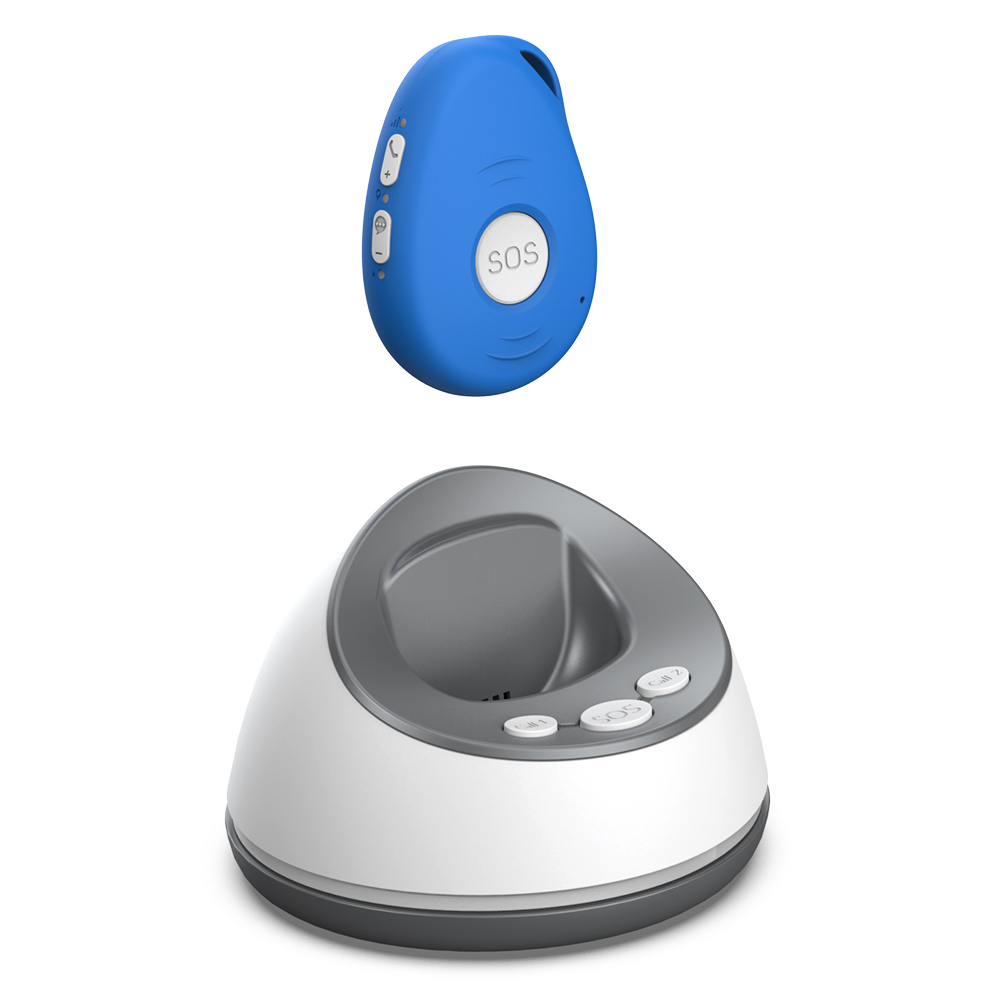
For anyone in New Zealand looking at options for an elderly parent, grandparent, or spouse, I would recommend looking at the full picture. Do not just compare prices. Look at the features that matter: fall detection, two-way calling, GPS tracking, battery life, and whether the device is waterproof. And pay attention to the family monitoring side. Being able to hear your loved one's voice through two-way calling during an emergency is far more reassuring than a text message from a call centre. The freedom medical alarms available today are not the clunky gadgets of ten years ago. They are serious tools, and they work.
If you are a caregiver or a family member weighing up the decision, remember that the cost of waiting is higher than the cost of acting. A pendant alarm is a small device, but it carries a large responsibility. Worn daily, tested regularly, and backed by family monitoring, it becomes one of the most effective ways to extend a senior's safe independence. And that independence - the ability to wake up in your own home, make your own tea, and go to bed without someone watching - is worth preserving.
Ends · FREEDOMMEDICALALARMSREPORT